
A home should provide more than shelter. It can support physical well-being, protect residents from potential hazards and create a comfortable environment for everyday life. Small improvements throughout a property can make a meaningful difference, from improving indoor air quality to creating safer electrical systems and incorporating natural elements into living spaces. By taking a thoughtful approach to home maintenance and design, homeowners can create spaces that better support their needs.
Improving Indoor Air Quality
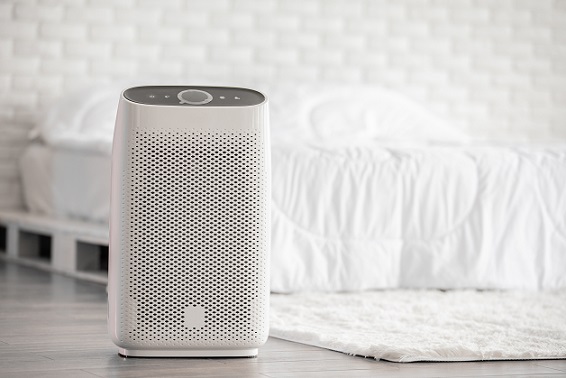
Indoor air quality can have a significant effect on how comfortable a home feels. Cooking, cleaning products, moisture and other everyday activities can introduce odors, particles and pollutants into the air. Proper ventilation can help remove these contaminants and prevent them from accumulating indoors.
Range hoods are one practical way to improve ventilation in kitchens. They can capture smoke, steam, grease and cooking odors while helping move unwanted air outside. The growing demand for these systems reflects their importance in modern homes. According to Allied Market Research, the global range hood market is projected to reach $37,646.2 million by 2030.
Homeowners can also improve air quality by regularly changing HVAC filters, controlling moisture and opening windows when outdoor conditions allow. Combining ventilation with routine maintenance can help create a fresher and more comfortable indoor environment.
Maintaining Electrical Safety
Electricity is essential to modern households, powering everything from lighting and appliances to entertainment systems and home offices. However, electrical problems can create serious safety risks when wiring, outlets, panels or appliances are damaged or improperly maintained.
The National Fire Protection Association reports that electrical malfunctions or failures are responsible for approximately 13% of home structure fires each year. This figure highlights why electrical safety should be an important part of home maintenance.
Homeowners should pay attention to warning signs such as flickering lights, frequently tripped breakers, warm outlets, burning smells or damaged cords. Overloaded outlets and improper use of extension cords can also create risks. When an electrical issue requires professional attention, homeowners should avoid attempting complicated repairs themselves and instead contact a qualified professional.
Creating Comfortable Living Spaces
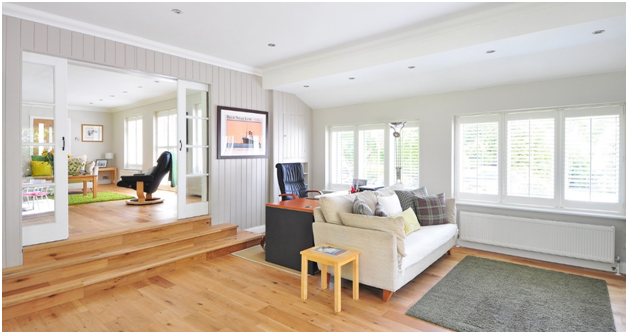
Comfort involves more than maintaining an appropriate temperature. Lighting, furniture placement, noise levels and the overall layout of a room can influence how people experience their homes. A comfortable space should accommodate both practical activities and opportunities to relax.
Natural lighting can make rooms feel more open and inviting during the day, while layered lighting can provide flexibility in the evening. Homeowners can use task lighting for activities such as reading or cooking and softer lighting in areas intended for relaxation.
Temperature control also plays an important role. Regular HVAC maintenance can help heating and cooling equipment operate efficiently, while sealing drafts around windows and doors can help maintain consistent indoor temperatures. Simple changes such as rearranging furniture or adding window coverings can further improve comfort without requiring major renovations.
Bringing Nature Indoors
Natural elements can contribute to a home’s atmosphere and may support a greater sense of well-being. Houseplants, natural materials, views of outdoor spaces and access to sunlight can help connect indoor environments with the outdoors.
The National Library of Medicine notes that many of the benefits people receive from nature are experienced through the five senses. This suggests that incorporating nature into a home can involve more than simply adding decorative plants. Homeowners might consider natural textures, pleasant outdoor views, fresh air, natural sounds and other sensory experiences when designing their living spaces.
Even small additions can make a difference. Plants can add visual interest, while wood, stone and other natural materials can introduce texture. If a home has access to a garden, patio or balcony, arranging indoor spaces to provide views of these areas can further strengthen the connection with nature.
Creating a healthier, safer and more comfortable home does not always require major renovations. Improving ventilation, maintaining electrical systems, incorporating natural elements and staying consistent with routine maintenance can all contribute to a better living environment. By addressing both the visible and less obvious aspects of a property, homeowners can create a space that supports comfort, safety and well-being for years to come.