
Deciding between DIY and professional window installation can be a challenging decision for homeowners. While some homeowners enjoy the satisfaction and budget-friendliness of a DIY project, others prefer the assurance and expertise of professional services. With both choices come different cost considerations and safety implications that should be evaluated thoroughly.
Cost Comparison: DIY vs. Professional Installation
Cost is a significant factor when considering window installation, especially since the average home in the US is equipped with 22 windows, according to Credit Karma. This makes the decision between doing it yourself or hiring a professional even more impactful. Generally, DIY window installation tends to be less costly upfront, allowing homeowners to save on labor expenses.
However, it’s essential to consider the potential for added expenses if the DIY approach leads to mistakes. Professional services, while higher in cost, offer the benefit of experienced and skilled labor, reducing the risk of errors. According to Today’s Homeowner, windows generally need replacement around every 20 years, highlighting the importance of a correct installation.
Moreover, professional installers often provide warranties which can be a financial safety net in case of future issues with the windows. For some, this assurance is worth the additional cost, making professional installation a preferred choice. The emphasis should be on balancing initial cost savings with potential long-term expenses that may arise from improper DIY installations.
Evaluating Safety Risks
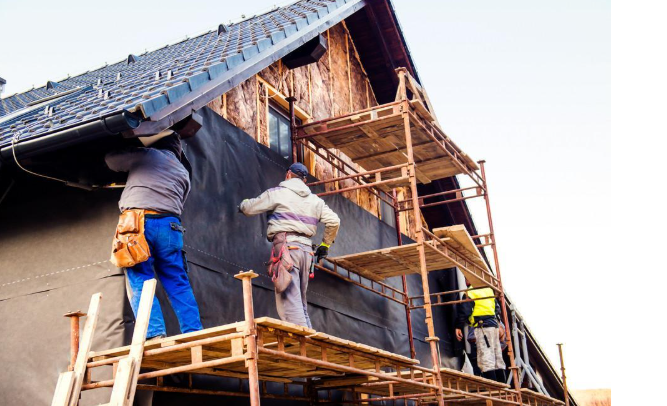
When it comes to window installation, safety is a paramount concern that cannot be overlooked. DIY enthusiasts may face various risks such as working at heights, handling heavy materials, and using potentially dangerous tools. Professional installers, on the other hand, are usually trained to navigate these hazards safely.
Proper training and safety equipment are vital to minimizing the risk of accident or injury during window installation. Professional services often carry liability insurance that protects homeowners in case of accidents during the installation process. This can provide peace of mind knowing that both the home and the individual performing the installation are covered.
It’s crucial for homeowners considering the DIY route to thoroughly understand these risks and ensure they have the necessary skills and tools for the job. While taking on such projects can be rewarding, personal safety should always remain the top priority. Making an informed decision by weighing all safety considerations is critical.
Environmental Impact and Energy Efficiency
The type of windows installed can significantly impact a home’s energy efficiency. Opting for energy-efficient window treatments can lead to a noticeable decrease in energy bills, potentially lowering them by 10 to 20%, according to Straits Research. This is an important factor when comparing the long-term benefits of DIY versus professional installations.
While installing energy-efficient windows might have a higher initial cost, the long-term savings on energy expenses can offset this. Professional installers often have access to high-quality, energy-efficient products and can provide guidance on the best options for reducing a home’s carbon footprint. This supports a sustainable approach to home improvement projects.
It should be noted that proper installation is key to maximizing these savings, as inefficient installation can negate the benefits of energy-efficient windows. This aspect favors professional installation, as trained professionals ensure that the windows are fitted correctly to prevent drafts and energy loss. Evaluating the environmental advantages is an essential component of the decision-making process for homeowners.
In conclusion, choosing between DIY and professional window installation involves considering numerous factors including costs, safety risks, and environmental impacts. Homeowners should weigh these aspects carefully to make an informed decision that best suits their needs and circumstances. Whether to prioritize cost-effectiveness, safety assurance, or energy efficiency, understanding the nuances of each approach will lead to a satisfactory window installation experience.