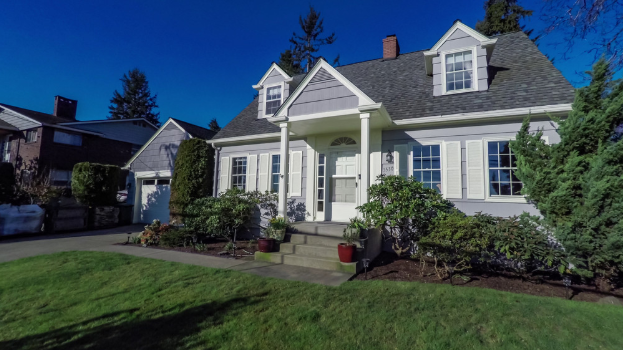
Enhanced curb appeal is a tried-and-tested strategy that dramatically influences the marketability and perceived value of a property. It serves as the first impression potential buyers get, often determining whether they wish to explore further into the home. When executed properly, upgrades focusing on curb appeal not only beautify a residence but can also offer significant financial returns when selling.
The Impact of First Impressions
A buyer’s initial reaction to a home is critical, with curb appeal being the first aspect they notice. An attractive exterior can set a welcoming tone, encouraging interest and leading potential buyers to imagine themselves living there. As per data from the National Association of Realtors, an impressive 92% of real estate agents advise clients to enhance curb appeal before putting a home on the market.
Focusing on first impressions can directly correlate to a buyer’s perception of the property’s overall condition. A well-maintained front yard and an inviting entrance suggest that the homeowner has been diligent and possibly invested in other aspects of the home. Curb appeal improvements create a desirable atmosphere, which, in turn, can enhance the perceived value of the property significantly.
Property aesthetics from the outside often lead to increased foot traffic and, consequently, more offers. The emotional connection a buyer feels when first approaching a home can lead to quicker sales and possibly at a higher-than-expected price point. Therefore, upgrading curb appeal is not only about beautification but also a tactical financial decision.
Simple Yet Effective Upgrades
One of the most effective ways to enhance a home’s curb appeal is through strategic, yet simple upgrades, like lawn maintenance. Proper upkeep of the lawn offers a considerable return on investment, reportedly up to 217%, as cited by local publications. Such upgrades are often undervalued, yet they yield high returns when that ‘for sale’ sign goes up.
Other straightforward improvements include repainting the front door, updating exterior lighting fixtures, or replacing outdated house numbers. These efforts require minimal investment and labor but can result in substantial visual improvements that elevate a property’s appeal. Small changes can create a cohesive and polished look that resonates with prospective buyers.
A well-kept exterior with neatly trimmed bushes and vibrant flowers can significantly boost interest in a property. Such enhancements create an inviting atmosphere that not only appeals to buyers’ aesthetics but also speaks to the care and attention given to the home. Often, these simple touches can make the difference between a quick sale and a property languishing on the market.
Investing in Major Improvements
For homeowners willing to invest a bit more, major improvements like upgrading the front walkway can offer exceptional returns. Using materials such as natural stone or high-quality pavers not only increases aesthetic appeal but can deliver substantial financial benefits. According to experts at This Old House, such an upgrade may yield a 100% return on investment.
Major improvements might also include repainting the entire exterior, installing a new roof, or adding a porch. These modifications, although more costly than simple upgrades, can add significant value and appeal. They transform a home’s exterior into a standout feature, drawing in more potential buyers.
Investments in quality finishes and materials can dramatically change a home’s perception in the marketplace. Buyers often see these improvements as indicative of a well-maintained property that requires minimal immediate repair work. Such investments can directly influence a buyer’s willingness to pay a premium price for the property.
Balancing Costs and Benefits
Enhancing your home’s curb appeal involves considering both short-term costs and long-term benefits. While certain improvements may seem expensive upfront, their impact on the sales price can be substantial. Homeowners must weigh their budget against potential increases in the property value.
Strategic planning and prioritization of improvements ensure that expenses align with the anticipated increase in home value. Small yet impactful upgrades can provide significant returns, while larger investments may offer even greater financial rewards when selling. Identifying which improvements yield the highest returns is key for homeowners looking to optimize their selling strategy.
Ultimately, a well-executed plan for enhancing curb appeal creates a compounding effect, transforming potential interest into concrete offers. By carefully considering which elements of the exterior to enhance, homeowners position their property more favorably amidst competitive listings. Proper alignment of costs with potential benefits forms the backbone of successful property enhancement strategies.
The Lasting Value of Enhanced Curb Appeal
Investing in curb appeal is not just about increasing aesthetics but strategically enhancing property value. Buyers’ first impressions, influenced by the exterior, can dictate their level of interest, making curb appeal a vital aspect of the selling process. Ultimately, these enhancements lead to quicker sales at potentially higher prices, providing a reliable financial return for sellers.
From simple lawn maintenance to major home-front renovations, each improvement contributes to creating a desirable and sellable home environment. By focusing on both small and significant updates, sellers can achieve a balanced, beautiful exterior that appeals to a wide array of potential buyers.
Ultimately, every investment in curb appeal creates a path toward a more successful sale, reflecting a home’s true potential and value to prospective owners. By integrating both immediate and long-standing improvements, homeowners can effectively position their property in any competitive real estate market. These calculated efforts ensure that sellers reap benefits long after the sold sign is up.