
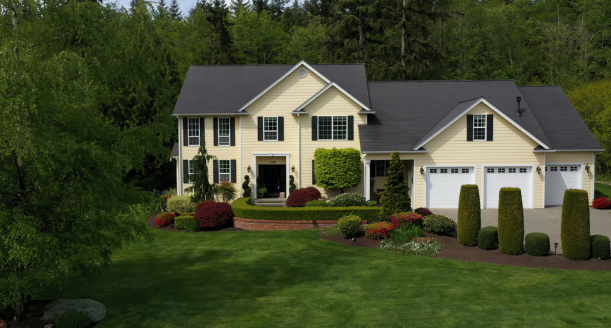
Landscaping plays a major role in how a home looks, feels, and functions. While many homeowners focus on kitchens, bathrooms, and interior upgrades, the outside of the property often creates the first impression. A well-planned yard can make a home look more inviting, more cared for, and more enjoyable to live in. Whether a homeowner is preparing to sell or simply wants to improve the property, landscaping can be a worthwhile investment.
Landscaping Strengthens Curb Appeal
Curb appeal is one of the clearest ways landscaping contributes to home value. When buyers, neighbors, or visitors see a property from the street, the lawn, trees, garden beds, walkways, and exterior details all influence their impression. A home with patchy grass, overgrown shrubs, or bare planting areas may look neglected, even if the interior is well maintained. On the other hand, a neat and attractive landscape can make the entire property feel more polished.
Strong curb appeal can also help a home stand out in a competitive market. According to Ruby Home, upgrading a home’s landscaping to an above-average condition can raise the property’s value by as much as 12%. This does not mean every yard needs an elaborate design. It does mean that healthy grass, trimmed plants, balanced flower beds, clean edging, and appealing outdoor features can make a measurable difference.
Outdoor Spaces Add Usable Living Areas
Landscaping is not only about appearance. It can also expand the way homeowners use their property. Patios, garden paths, shade trees, seating areas, fire pits, and outdoor dining spaces can make the yard feel like an extension of the home. These improvements can be especially valuable for families who enjoy entertaining, relaxing outside, or spending time in a more private outdoor setting.
Functional landscaping should be designed around how people actually live. For example, a household with young children may value open lawn space, while frequent hosts may prefer a patio with lighting and defined seating areas. A homeowner who wants less upkeep may choose native plants, mulch beds, or hardscaping to reduce maintenance needs. When the yard supports daily routines, it adds practical value as well as visual appeal.
Smart Landscaping Helps Guide the Budget
Because landscaping can include everything from basic lawn care to major outdoor construction, budgeting is important. Homeowners should think about both immediate improvements and long-term maintenance before starting a project. According to Home Guide, real estate professionals commonly suggest putting 5% to 15% of a home’s overall value toward landscaping. This range can help homeowners plan realistically without overspending on features that may not fit the property.
A smart budget should prioritize the most visible and useful updates first. Lawn repair, fresh mulch, trimmed shrubs, seasonal color, walkway repairs, and lighting can improve the property without requiring a complete redesign. Larger projects, such as patios, retaining walls, irrigation systems, and outdoor kitchens, may require more planning. The best approach is to choose improvements that match the home’s style, neighborhood, and intended use.
Healthy Landscaping Protects the Property
Landscaping can also support the condition of the home itself. Proper grading helps direct water away from the foundation, while healthy trees can provide shade and reduce harsh sun exposure. Ground cover, mulch, and well-placed plants may help control erosion in certain areas. When landscaping is neglected, drainage problems, invasive roots, and overgrown vegetation can create issues that affect the structure or exterior surfaces.
Regular maintenance is an important part of protecting that investment. Trees should be monitored for weak limbs, shrubs should be trimmed away from siding, and irrigation should be checked to avoid overwatering near the home. Keeping walkways clear, removing dead plants, and refreshing beds can prevent the yard from looking dated or unkempt. These smaller tasks help preserve the value created by larger landscaping improvements.
Professional Landscaping Reflects Market Demand
The growing demand for landscaping services shows how much homeowners value outdoor improvements. According to Aspire, the U.S. landscaping industry reached an estimated market size of $184.1 billion in 2025. This growth reflects the importance homeowners place on attractive, functional, and well-maintained outdoor spaces. It also shows that landscaping is no longer viewed as an afterthought, but as a meaningful part of property care.
Working with landscaping professionals can be especially helpful for homeowners who need guidance on design, plant selection, drainage, or long-term maintenance. Professionals can recommend improvements that suit the local climate, soil conditions, and property layout. They can also help avoid costly mistakes, such as planting trees too close to the home or choosing plants that require more care than the homeowner wants to provide.
Choosing Landscaping Projects That Add Value
The best landscaping projects are attractive, practical, and appropriate for the home. A small property may benefit from clean planting beds, compact shrubs, and defined walkways, while a larger yard may support patios, trees, and outdoor gathering areas. Homeowners should avoid overly personalized designs that may not appeal to future buyers. Instead, they should focus on improvements that make the property easier to enjoy and easier to maintain.
Landscaping contributes to home value by improving curb appeal, expanding usable space, supporting property protection, and creating a stronger first impression. Even modest upgrades can make a home look more inviting and better maintained. With the right plan, homeowners can create an outdoor space that improves daily life while supporting long-term value. Thoughtful landscaping is not just decoration; it is a practical investment in the entire property.
More from Ghar360 Blog
 Before You Sell, Take a Closer Look at Your Landscaping
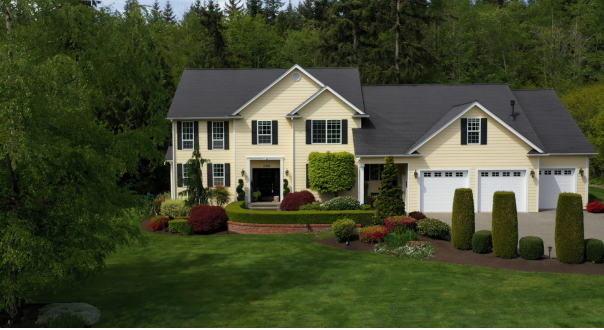 Don’t Just Mow—Invest: The Surprising Stats on Landscaping and Property Value
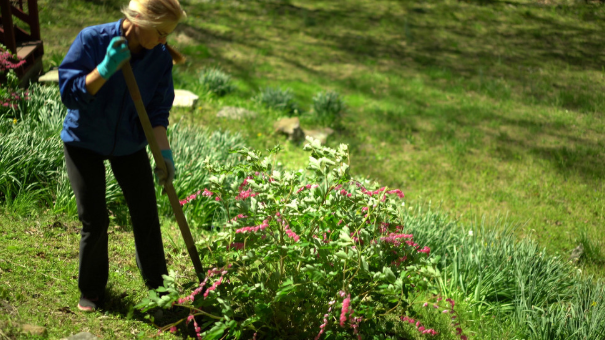 5 Great Reasons to Invest in Your Home’s Landscaping
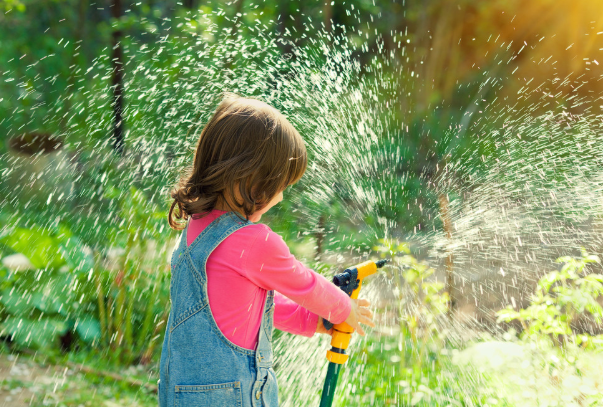 From Soil to Shade: Creating a Garden That Grows With You
 3 Home Improvement Projects That Offer the Best Long-Term ROI