Ensuring your home is well-maintained is crucial not just for aesthetics and value, but also for safety. Regular updates and maintenance can substantially decrease the likelihood of fires, protecting your family and belongings. In this article, we explore how systematic upkeep can minimize fire risks and keep your sanctuary secure.
Regular Electrical System Checks
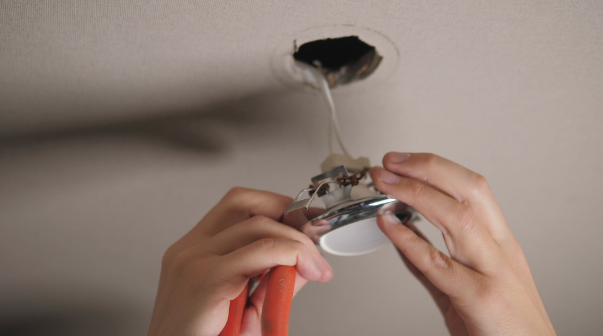
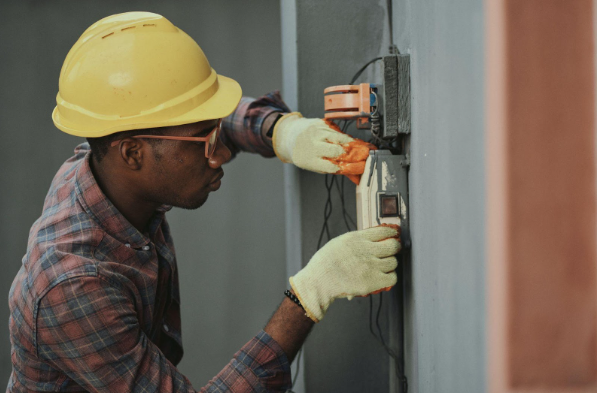
Electrical systems are a leading cause of household fires, making regular checks essential. The U.S. Fire Administration reports that electrical fires make up over 6% of all residential building fires annually. By engaging a certified electrician for periodic inspections, you can identify faulty wiring and other hazards before they become dangerous.
Incorporating a simple maintenance routine can substantially reduce electrical fire risks in your home. Upgrading electrical panels and ensuring no overloaded circuits are present is essential. These proactive measures drastically diminish the possibility of electrical sparks igniting your household.
It’s crucial to monitor the condition of electrical appliances as they age. Worn-out or damaged appliances are more prone to cause fires. Replacement or repair not only enhances safety but also maximizes energy efficiency, contributing to an overall safer home environment.
Creating and Maintaining a Home Inventory
Preparation is a vital component of home safety, starting with an inventory of your belongings. Bankrate highlights that only around 47% of homeowners have prepared a detailed inventory of valuables. Maintaining a complete record helps not only in case of a fire but also supports recovery and insurance processes.
The inventory should include descriptions, serial numbers, and photos of items to aid in potential replacement and insurance claims. Cloud-based solutions and secure storage options can ensure that your records are both accessible and safe from damage. This level of preparedness empowers homeowners to manage recovery with less stress and more confidence.
Regular updates to the inventory can aid in accurate insurance claims and ensure personal records remain current with any home improvements or acquisitions. It’s advisable to review the list annually, adding new items and noting any changes in value. This proactive step underpins a comprehensive home safety strategy and reinforces protection against potential fire hazards.
Safe Placement and Maintenance of Outdoor HVAC Units
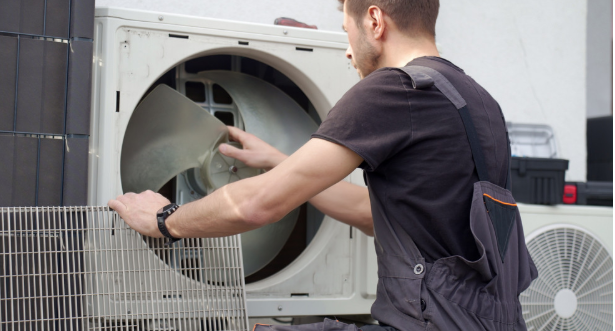
Outdoor HVAC units, often overlooked, are potential fire hazards if not positioned and maintained correctly. According to This Old House, it’s advisable to keep a clearance of about 36 inches around these units. This space not only allows for necessary maintenance but also prevents potential fire risks by ensuring adequate airflow and maintenance access.
Without proper clearance, debris accumulation can occur, increasing fire risks and disrupting performance. Regular cleaning and inspection of the surrounding area help maintain a fire-safe environment. Such vigilance ensures the HVAC system operates efficiently, contributing to overall home safety and comfort.
Positioning HVAC units away from combustible materials such as dried leaves or wooden fences is recommended. Monitoring vegetation growth around these units ensures continuous operational safety. By implementing these practices, homeowners can considerably diminish possible fire threats linked to HVAC systems.
Maintaining your home isn’t just about keeping up appearances; it’s about fostering a safer environment for you and your loved ones. Implementing regular checks on electrical systems, maintaining an up-to-date inventory of valuables, and ensuring safe placements of HVAC units all contribute to reducing fire risks. Through these proactive measures, you not only protect your home from potential threats but also provide peace of mind, knowing your sanctuary is shielded against unforeseen incidents.