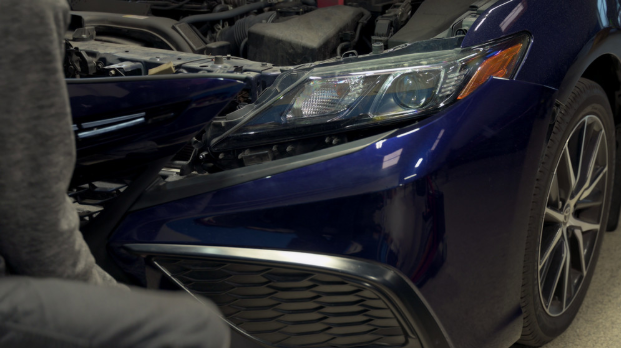
A car collision can leave drivers dealing with more than visible dents and scratches. Modern vehicles contain advanced safety systems, lightweight materials, and increasingly sophisticated technology, making collision repairs more complex than they once were. Fortunately, auto body shops are adapting with new tools, techniques, and repair approaches designed to restore vehicles more precisely.
According to Forbes, approximately 5,250,837 car collisions occur each year, meaning there is an ongoing need for reliable collision repair. As repair technology continues to evolve, drivers have more options for addressing vehicle damage while maintaining appearance, performance, and safety.
Advanced Technology Is Transforming Repairs
Today’s vehicles are built with technology that can make collision repairs more involved. Cameras, sensors, radar systems, driver-assistance features, and electronic components can all be affected by an accident, even when the damage is not immediately obvious.
Modern auto body shops increasingly use computerized diagnostic equipment to identify problems that may not be visible during a basic inspection. Technicians can scan vehicle systems, identify diagnostic trouble codes, and determine whether electronic components require attention.
Calibration has also become an important part of repairing vehicles equipped with advanced driver-assistance systems. Features such as automatic emergency braking, lane-departure warnings, and adaptive cruise control may rely on cameras or sensors that need to be correctly positioned after certain repairs.
This technology-driven approach allows technicians to look beyond cosmetic damage and consider how a collision may have affected the vehicle’s broader systems.
Repair Techniques Are Becoming More Precise
Traditional collision repairs often involve replacing or refinishing damaged panels. While those methods remain important, newer techniques can sometimes provide alternatives depending on the type and severity of damage.
Paintless dent repair, for example, can remove certain dents without requiring conventional body filler and repainting. Specialized tools allow trained technicians to carefully manipulate the metal from behind the panel, restoring its original shape while preserving the factory finish when conditions are appropriate.
This approach may be particularly useful for smaller dents caused by minor collisions, parking-lot incidents, or hail. It can potentially reduce the amount of material and refinishing involved in a repair.
According to SEMA, roughly 40 percent of collision repair shop customers choose environmentally friendly repair methods such as paintless dent repair. The statistic illustrates growing consumer interest in repair options that may reduce the need for certain traditional refinishing processes.
The Industry Offers More Specialized Expertise
The auto body repair industry has grown into a large and varied field. Consumers can encounter businesses ranging from smaller independent shops to large collision repair facilities with extensive equipment and specialized departments.
According to Zipdo.co, there are more than 38,000 auto body repair shops across the United States. With so many providers available, drivers should consider more than proximity when deciding where to take a damaged vehicle.
A shop’s experience with a particular vehicle make or type of repair can be valuable. Drivers may also want to ask whether technicians receive ongoing training and whether the facility has the equipment needed for modern vehicles.
Specialization can matter when a repair involves aluminum panels, high-strength steel, advanced electronics, structural components, or driver-assistance technology. A shop that understands these systems can approach the repair with greater attention to the vehicle’s specific requirements.
Digital Tools Are Improving the Repair Process
Technology is changing the customer experience as well as the repair itself. Many shops now use digital estimating tools to document damage, develop repair plans, and communicate information throughout the process.
Digital photographs can help document a vehicle’s condition before repairs begin. Electronic estimates can also make it easier to identify individual repair procedures and replacement parts.
Some repair facilities use digital communication systems to provide customers with updates as work progresses. This can give vehicle owners greater visibility into the repair process and help them understand why additional work may become necessary after disassembly.
These tools do not replace skilled technicians, but they can support better organization and communication between the shop, customer, insurance company, and other parties involved in the repair.
Safety Remains Central to Collision Repair
One of the most important changes in modern collision repair is the greater emphasis on restoring a vehicle according to manufacturer specifications. A vehicle may look excellent after repairs while still having underlying issues if structural or electronic components were not properly addressed.
Technicians may need to inspect structural areas, restraint systems, sensors, and other components depending on the circumstances of a collision. Replacement parts and repair procedures can also affect how a vehicle performs in a future accident.
For drivers, this means cosmetic appearance should not be the only measure of a successful repair. Asking how the shop will address structural and safety-related components can provide valuable insight into its repair process.
What Drivers Should Ask an Auto Body Shop
Choosing a repair facility can be easier when drivers know what questions to ask. Before authorizing repairs, consider asking:
- What damage did the initial inspection identify?
- Could there be hidden damage that becomes apparent after disassembly?
- Will the vehicle require calibration after repairs?
- What repair methods are available for the damaged areas?
- Are replacement parts appropriate for the vehicle?
- How will structural or safety-related components be inspected?
- How will I receive updates during the repair?
It is also helpful to request a written estimate and understand what it includes. If additional damage is discovered, ask the shop to explain why the repair plan or cost needs to change.
Looking Ahead at Collision Repair
The future of auto body repair will likely continue to blend traditional craftsmanship with advanced technology. As vehicles become more computerized and manufacturers use increasingly sophisticated materials, repair facilities must continue adapting their equipment, training, and processes.
For drivers, these developments can mean more precise diagnostics, additional repair options, and better communication throughout the process. However, technology is only one part of the equation. Qualified technicians, appropriate equipment, careful workmanship, and attention to manufacturer specifications remain essential.
Modern collision repair is no longer limited to fixing dents and repainting damaged panels. Diagnostic technology, specialized repair techniques, digital estimating, and advanced safety-system calibration are changing how vehicles are restored after accidents.
With millions of collisions occurring each year and thousands of repair facilities available nationwide, drivers have many options when seeking assistance. Taking time to understand a shop’s experience, technology, repair methods, and approach to safety can help vehicle owners make a more informed decision when their car needs professional attention.