The automotive industry continues to evolve as electrified vehicles become a larger part of the market. This shift is influencing more than the way vehicles are powered. It is also affecting how manufacturers approach components, materials, and other elements of vehicle design. As electrification becomes increasingly integrated into automotive development, familiar systems and newer technologies are being considered together in different ways.
Traditional Components Still Have a Place
The move toward electrified vehicles does not mean every familiar vehicle component immediately disappears. Different vehicles can continue to use different systems, and maintenance remains relevant for components that are still part of a vehicle’s design.
A driveshaft is one example of a component that can require attention over the course of a vehicle’s use. According to Your Mechanic, a driveshaft does not have a predetermined lifespan, but a general guideline is to replace it about once every 75,000 miles. The mileage guideline provides one way of thinking about component replacement, while the broader point is that vehicle maintenance continues to matter as automotive technology changes.
For drivers, understanding individual components can make it easier to recognize that vehicle design is not defined by its power source alone. Traditional mechanical systems can remain relevant alongside newer technologies, creating a vehicle landscape where different approaches may coexist. This can also make routine maintenance an important consideration regardless of how automotive technology develops.
Electrified Vehicles Are Becoming More Common
As more electrified vehicles enter the market, manufacturers have greater reason to consider how their designs accommodate different forms of propulsion. The growth of electrified vehicles can influence decisions about how components are arranged, how systems interact, and how manufacturers approach the overall vehicle package.
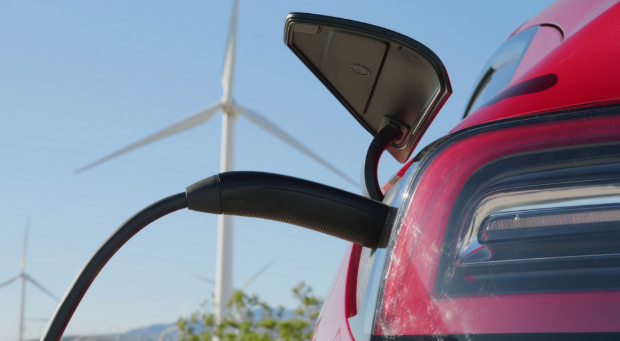
According to Cox Automotive, electrified vehicles were expected to account for one out of every four vehicles sold in 2025. This projection illustrates the growing presence of electrified powertrains in the vehicle market and helps explain why electrification has become an important consideration in automotive design.
A changing vehicle market can also affect what drivers encounter when shopping for a new vehicle. Instead of treating electrification as a niche consideration, consumers may increasingly encounter different types of electrified vehicles as part of the broader automotive landscape. That variety can influence expectations around vehicle features, components, and long-term ownership.
New Materials and Transmission Designs Are Emerging
Electrification can also influence the development of individual vehicle components. As manufacturers work with different powertrain configurations, they can consider how other systems should complement those designs. Materials and transmission technology are two areas where changing vehicle requirements can influence development.
According to Fortune Business Insights, emerging automotive trends include transmissions designed to work with electrified powertrains as well as lightweight materials intended to improve efficiency. These developments illustrate how changes in propulsion technology can extend into other parts of a vehicle rather than remaining limited to the power source itself.
Lightweight materials can become part of broader design considerations, while transmission technology can be adapted to work alongside electrified systems. Together, these approaches demonstrate how vehicle development can involve multiple components working toward the characteristics manufacturers want to achieve.
The result is an automotive landscape where traditional mechanical elements and newer technologies can coexist. As vehicle designs continue to change, manufacturers can explore different combinations of components and materials to accommodate evolving powertrain technologies.
The growth of electrified vehicles is changing automotive design, but the transition does not eliminate the importance of traditional components. Driveshaft maintenance, electrified powertrains, transmission development, and material choices can all represent different pieces of an evolving vehicle landscape.
For drivers, these changes can make understanding vehicle technology increasingly useful. As manufacturers continue developing vehicles around electrified powertrains, the relationship between familiar components and emerging technologies will remain an important part of how vehicles are designed.