
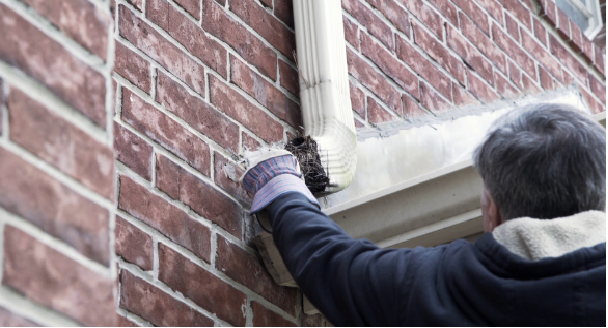
Home maintenance can often seem overwhelming, but keeping an eye on your gutters is crucial for preserving the integrity of your house. As one of the essential components of a healthy home’s drainage system, gutters direct water away from the building foundation, preventing potential damage. Recognizing when it’s time to replace these vital parts can save homeowners from costly repairs in the future.
Signs Your Gutters Need Replacement
The first sign that your gutters may need replacing is frequent clogs or overflowing water. Even with regular cleaning, standing water can indicate that the gutters are no longer sloped correctly. Bob Vila recommends that gutters should have a slope of one-half inch for every 10 feet to ensure optimal water flow, and any deviation from this might signal replacement is necessary.
Another telltale sign is the presence of cracks or splits in the gutter material. Small cracks might seem harmless, but over time, they will grow and lead to larger leaks. When colder weather arrives, these seemingly insignificant splits can expand further, causing serious water damage to your home’s exterior woodwork and siding.
Peeling paint and rust spots are also clear indicators that it might be time for new gutters. If the paint on your gutters has started to peel or you notice orange flecks, this suggests that water isn’t draining correctly and could be pooling in areas. Continuous exposure to moisture can wear and degrade the material, making replacement a logical next step.
Considering the Age and Material of Your Gutters
Determining the age of your gutters can provide insights into whether a replacement is due. Some older homes have half-round gutters, a style commonly used before 1960, as noted by This Old House. While these can offer a classic appearance, they might not be as efficient as modern gutter systems and could necessitate an upgrade.
Material wear is another determinant in the decision to replace your gutters. Aluminum and galvanized steel are popular choices today due to their durability, but they do not last indefinitely. Even the best materials suffer from wear and tear, especially if they have been installed in regions with harsh weather conditions.
For homeowners, replacing gutters also presents an opportunity to explore newer materials like vinyl and stainless steel. These options could offer increased weather resistance and longevity. An upgrade might not only improve functionality but also the aesthetic appeal of your home’s exterior.
Forecasting Future Gutter Needs
Forward-thinking homeowners consider not only current needs but also future demand for gutters and downspouts. According to the Freedonia Group, the U.S. market for these components is expected to rise by less than 1.0% annually, reaching an estimated 2.1 billion linear feet by 2027. While this growth rate suggests a stable demand, it also underscores the importance of proactive maintenance and timely replacements.
The trends in gutter technology advance continually, offering better solutions for long-term home maintenance. Paying attention to innovations in gutter systems can guide proactive updates that prevent emergency replacements and promote efficient water management. These advancements can also improve aspects such as ease of installation and maintenance, promising less hassle for homeowners.
Investing in quality gutter replacements could ultimately add value to your home. Enhanced curb appeal and a robust drainage system increase the attractiveness of your property to potential buyers. This preventative measure also contributes to the longevity of your home’s structure, ensuring a safer and more comfortable living environment.
Recognizing when it’s time to replace your gutters is crucial for any homeowner looking to protect their property. Aging materials, improper installation angles, and innovations in gutter tech all play a role in determining when to upgrade. By staying informed and responsive to these cues, homeowners can ensure their houses remain secure and structurally sound for years to come.
More from Ghar360 Blog
 Cracked Basement Walls May Seem Minor, but Repair is Urgent
 Understanding the Risks: What Happens When You Neglect Gutter Cleaning?
 Is Your Furnace or AC Due for Replacement? Learn What to Consider Before Updating Your Unit
 How to Avoid Water Damage With Smart Gutter Maintenance
 What Every Pool Owner Should Know About How to Properly Maintain Their Pool