Your home’s exterior is the first thing guests, neighbors, and potential buyers see, and siding plays a starring role in that first impression. It defines your home’s style, frames its architectural details, and protects the structure from wind, rain, and sun. Whether you love the warmth of wood, the texture of stucco, or the clean lines of aluminum, keeping your siding in great shape and knowing when to replace it can make a big difference in how your home looks and performs. Here’s how to keep your exterior looking its best.
Keep It Clean the Right Way
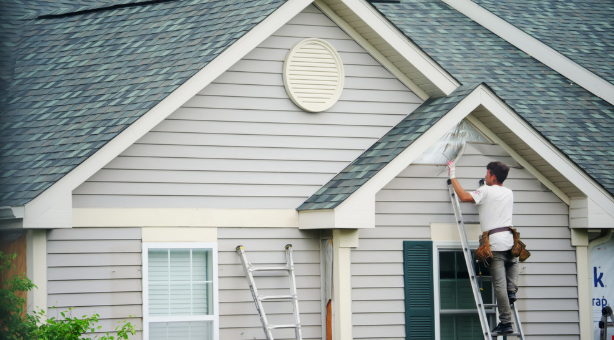
Over time, siding collects dirt, pollen, mildew, and grime that can dull its color and make your entire home look tired. A thorough cleaning can bring back its original charm and help you spot small problems before they grow. Pressure washing is a popular way to tackle the job, but it requires care to avoid damaging the surface.
Using the right pressure is key. According to Forbes, homes with aluminum, stucco, or wood siding should be cleaned with pressure washers set between 1,200 and 1,500 psi. Higher pressure can strip paint, crack stucco, gouge wood, or force water behind the siding, leading to moisture problems inside the walls.
Start from the top and work your way down, holding the nozzle at a slight angle and keeping it a safe distance from the surface. Use a gentle cleaning solution designed for your siding type, and rinse thoroughly. Avoid spraying directly into vents, windows, or light fixtures. If you’re unsure about doing it yourself, a professional exterior cleaning service can handle the job safely.
Know When It’s Time to Replace
Even well-maintained siding doesn’t last forever. Storms, harsh sun, moisture, and age can all take their toll. Warning signs include cracks, warping, loose or missing panels, bubbling paint, rot, and fading that cleaning can’t fix. Rising utility bills or drafts may also suggest your siding is no longer protecting your home as it should.
Damage is one of the most common reasons homeowners decide to make a change. Fixr reports that 39% of homeowners who replace their siding do so because their old siding is damaged. Addressing that damage promptly helps prevent water from getting behind the walls, where it can cause rot, mold, and costly structural repairs.
Before replacing everything, have a professional assess whether repairs are possible. Small damaged sections can sometimes be patched or replaced. If damage is widespread or your siding is near the end of its lifespan, a full replacement may be the smarter long-term choice.
Upgrade for Style and Value
Replacing siding isn’t just about fixing problems. It’s also a chance to completely refresh your home’s look. You can choose new colors, textures, and materials that reflect your personal style, from classic lap siding to modern board-and-batten, shingle-style accents, or stone veneer details.
It can also be a smart investment. According to Fixr, new siding improves protection, enhances curb appeal, increases energy efficiency, and raises resale value, with mid-range materials offering a return on investment of 80% to 90%. That makes siding one of the more rewarding exterior projects you can take on.
When choosing new siding, consider your local climate, maintenance preferences, and the architectural style of your home. Pair your siding with complementary trim, shutters, and front door colors for a cohesive design. Request samples, view them in different lighting, and work with an experienced contractor to bring your vision to life.
An Exterior You’ll Love Coming Home To
Beautiful siding protects your home and makes it shine. By cleaning it carefully, replacing damaged materials promptly, and choosing upgrades that add style and value, you can create a home exterior that makes a lasting first impression for years to come.
More from Ghar360 Blog
 What Updating Your Home’s Siding Can Do for You
 Here Is How to Keep Your New Siding Looking Like New for Many Years to Come
 How Do I Clean My Blinds Without Taking Them Down?
 5 Ideas for Using the Wishbone Chair in Your Home
 Home Remodeling ROI: How Neutral Siding Colors Increase Home Value by Up to 85%