Most homeowners don’t think about their trees until something goes wrong — a branch falls on the fence, a storm knocks out the power, or the yard starts looking more like a jungle than a landscape. The truth is, routine tree pruning is one of the simplest ways to protect your property, improve curb appeal, and keep your trees healthy for the long haul. The good news? With the right knowledge, it doesn’t have to be complicated or expensive.
Why Pruning Matters More Than You Think
Neglected trees are more than an eyesore; they’re a liability. Overgrown or weakened branches are prone to breaking during storms, and the consequences can reach well beyond your yard. In fact, according to Duquesne Light Company, tree damage ranks as the second leading cause of power outages. That puts untrimmed trees right up there with major weather events when it comes to disrupting your neighborhood’s electricity. Regular pruning removes dead weight, reduces wind resistance, and significantly lowers the risk of branches interfering with power lines or falling onto structures. It’s a small investment of time that pays off in avoiding headaches.
Beyond safety, well-maintained trees simply perform better. They grow more evenly, produce healthier foliage, and are better equipped to handle seasonal stress like drought or heavy snowfall. Pruning also improves airflow through the canopy, which reduces the likelihood of fungal disease taking hold. Think of it less as a chore and more as preventive care that keeps your landscape looking its best year-round.
The Right Way to Prune Without Harming Your Trees
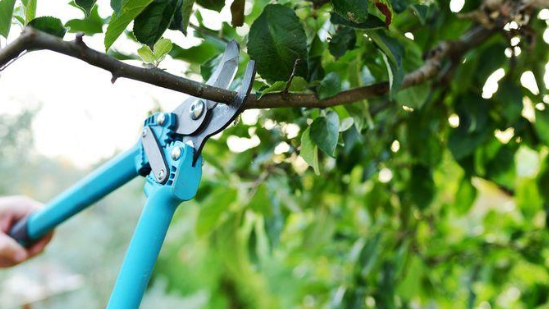
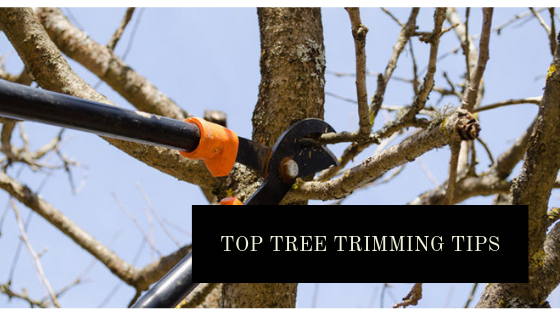
Pruning is as much about technique as it is about timing. One of the most common mistakes homeowners make is cutting back too aggressively, thinking it’ll save them from having to do it again soon. That approach can actually do serious harm. Today’s Homeowner advises against removing more than one-third of a branch’s growth within a single year, as over-pruning stresses the tree and leaves it vulnerable to disease, pests, and poor regrowth. Instead, focus on removing dead, damaged, or crossing branches first. Work gradually and let the tree recover between sessions. Healthy pruning encourages strong structure and long-term vitality rather than short-term convenience.
Timing also plays a role in how well your trees respond. For most species, late winter or early spring — just before new growth emerges — is the ideal window. Pruning during dormancy minimizes stress and reduces exposure to insects that are drawn to fresh cuts. That said, dead or hazardous branches should be removed as soon as they’re identified, regardless of the season.
When to Call a Professional
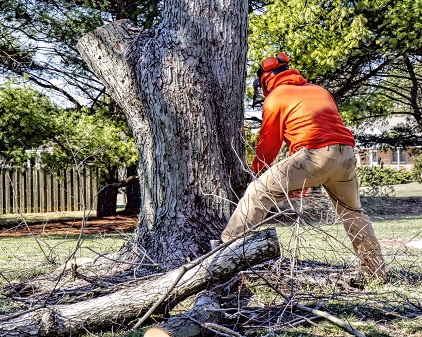
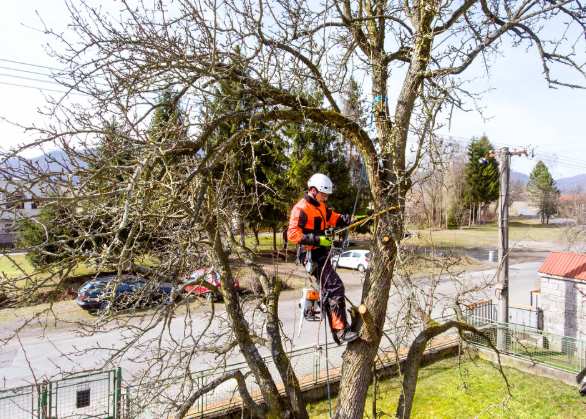
There’s a point where DIY pruning stops making sense. If a tree is large, close to power lines, or showing signs of disease, bringing in a certified arborist is the smarter move. Professionals have the equipment and training to handle high-risk situations safely and efficiently. According to This Old House, most professionals can complete a tree pruning job in a single day — the timeline only extends when there are multiple trees involved or the location makes access difficult. That means minimal disruption to your schedule and a cleaner result than most weekend warriors can manage on their own. Getting a few quotes from local arborists is worth the effort, especially for mature or structurally compromised trees.
When vetting professionals, look for certification through the International Society of Arboriculture (ISA) and proof of liability insurance. A reputable arborist will assess the tree before quoting, explain what work is needed and why, and avoid pressuring you into unnecessary removal. Good communication upfront saves surprises later.
Start Small, Stay Consistent
Tree pruning doesn’t have to be a major production. When you approach it with the right technique, realistic expectations, and a consistent schedule, it becomes a manageable part of routine yard maintenance. Whether you’re picking up the pruning shears yourself or calling in a pro for the bigger jobs, the key is not waiting until there’s a problem to act. Healthy trees add value to your home, shade to your yard, and peace of mind every time the wind picks up.