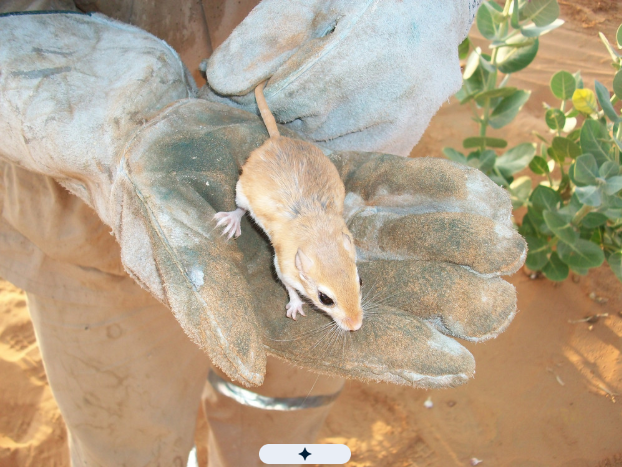
Rodents can create much bigger problems than the occasional scratching sound behind a wall. Mice and rats can damage insulation, wiring, food supplies, furniture, and other parts of a home while also contaminating areas they travel through.
Because rodents are capable of squeezing into small openings and reproducing quickly, a minor problem can become more serious if it is ignored. Understanding the types of damage rodents can cause can help homeowners recognize why early pest control and prevention are so important.
Rodent Problems Are More Common Than Many Homeowners Realize
Rodent activity is not limited to neglected or abandoned properties. Mice and rats can enter well-maintained homes while searching for food, water, shelter, and warmth.
According to PestWorld, 17% of Americans encountered rodents in their homes in 2025. Rodents may enter through gaps around doors, utility lines, foundations, vents, roofs, and other openings. Once inside, they can settle into attics, basements, crawl spaces, garages, wall cavities, and other areas that provide protection.
Homeowners who notice droppings, gnaw marks, nesting materials, or unexplained noises should investigate rather than assuming the problem will disappear on its own.
Rodents Can Damage Electrical Wiring
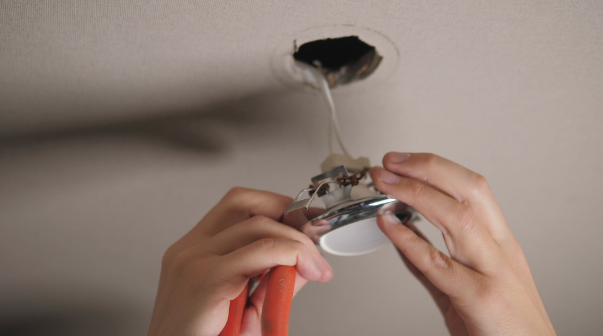
One of the most concerning types of rodent damage involves electrical wiring.
Rodents naturally gnaw on materials to help manage their continuously growing teeth. Unfortunately, electrical wires may become targets.
Chewed insulation can expose wiring and increase the risk of electrical problems. Damage hidden behind walls or in attics may also be difficult for homeowners to notice immediately.
If rodent activity is discovered near wiring, an electrician may need to inspect affected areas after the pest problem has been addressed. Simply removing the rodents does not automatically repair the damage they may have caused.
Mice Are Frequently Reported Household Pests
Mice are among the pests homeowners commonly encounter inside residential properties.
According to Forbes, mice make up 29% of the pests people reported invading their homes. Their small size allows them to access areas that may seem impossible to enter. Tiny gaps around pipes, doors, foundations, and siding may provide enough space for a mouse to get inside.
Once established, mice may travel between rooms through walls and other hidden spaces. This can make the extent of an infestation difficult to determine without a thorough inspection.
Sealing possible entry points can be just as important as eliminating rodents that are already inside.
Rodents Can Contaminate Food
Rodents are naturally attracted to accessible food sources.
Open packages, crumbs, pet food, pantry items, and improperly sealed garbage can all attract mice and rats. Once rodents reach stored food, the affected items may need to be discarded.
Food contamination can occur through droppings, urine, hair, or direct contact.
Homeowners should store dry goods in secure containers when rodent activity is suspected. Countertops, pantry shelves, and other potentially affected surfaces may also need to be thoroughly cleaned.
Removing accessible food can make the home less attractive to rodents while pest control measures are underway.
Insulation Can Become Damaged
Attics and wall cavities provide quiet, protected environments where rodents may build nests.
Rodents can tear apart insulation and use portions of it for nesting material. Repeated movement through insulated areas can also compress or displace the material.
Damaged insulation may become less effective at helping regulate indoor temperatures.
If a significant infestation has occurred, homeowners may need to inspect insulation for contamination and physical damage. In some cases, portions may need to be removed and replaced after the rodents are eliminated.
DIY Pest Control Is Extremely Common
Many homeowners and renters initially attempt to deal with pest problems themselves.
According to Consumer Affairs, about 74% of homeowners and 69% of renters perform some type of DIY pest control. DIY options may include traps, sealing gaps, cleaning food sources, or using pest-control products. These methods may be helpful for small and easily identified problems.
However, homeowners should be cautious about assuming that catching one mouse means the problem is completely resolved.
Rodents may be nesting in hidden spaces, and additional entry points may remain open. Persistent signs of activity can indicate that a more comprehensive inspection or professional pest-control approach is needed.
Rodents Can Damage Wood and Household Materials
Electrical wiring is not the only material rodents may chew.
Wood trim, cabinets, stored boxes, furniture, plastic containers, and other household materials can also be damaged.
Gnaw marks may appear along baseboards or inside cabinets where rodents frequently travel.
Items stored in garages, attics, and basements can be especially vulnerable because those spaces may go unchecked for long periods.
Keeping stored belongings in durable containers and inspecting storage areas periodically can help homeowners identify damage sooner.
Rodents Can Damage HVAC Components and Ductwork
Heating and cooling systems can also be affected by rodent activity.
Rodents may enter areas around ductwork, vents, or mechanical equipment. Flexible ducts and insulation surrounding HVAC components can sometimes be chewed or disturbed.
Damaged ducts may allow conditioned air to escape before reaching living spaces, potentially reducing system efficiency.
Homeowners who discover evidence of rodents near HVAC equipment should consider having the affected components inspected. Repairing pest-related damage can help restore proper system performance after the infestation has been controlled.
Droppings and Nesting Areas Can Create Cleanup Problems
Rodents can leave contamination wherever they travel or nest.
Droppings may be found in cabinets, drawers, pantries, garages, attics, or behind appliances. Nesting materials can include shredded paper, insulation, fabric, and other materials collected from around the home.
Cleanup should be approached carefully, particularly when significant contamination is present.
Instead of immediately sweeping or disturbing large amounts of rodent waste, homeowners may want to follow appropriate cleanup recommendations or consult professionals when the affected area is extensive.
The goal is not only to remove visible evidence but also to address the source of the infestation.
Rodents Can Damage Personal Belongings
Items stored for long periods may become nesting materials or targets for gnawing.
Rodents can damage clothing, documents, cardboard boxes, holiday decorations, photographs, upholstered items, and other possessions.
This can be particularly frustrating when the affected belongings are difficult or impossible to replace.
Plastic storage containers with secure lids can offer better protection than cardboard boxes in areas where rodents may be present.
Reducing clutter can also eliminate hiding places and make signs of activity easier to identify.
Small Openings Can Lead to Bigger Problems
Rodent prevention begins with keeping them outside.
Homeowners should inspect the exterior for gaps around pipes, doors, vents, siding, foundations, and utility connections. Openings that appear insignificant may still be large enough for rodents to use.
Damaged weatherstripping and door sweeps should be repaired, and food should not be left easily accessible in garages or outdoor storage areas.
Vegetation and clutter close to the foundation can also provide hiding places.
Closing entry points after an infestation is addressed can reduce the chance of new rodents entering later.
Early Action Can Limit Rodent Damage
Rodents can damage many parts of a home before homeowners realize they are present. Wiring, insulation, food, furniture, HVAC components, and stored possessions may all be affected.
The longer rodents remain inside, the more opportunity they have to reproduce and spread into additional areas.
Homeowners should respond quickly to warning signs such as droppings, gnaw marks, scratching noises, damaged food packages, or nesting materials. DIY methods may be effective in some situations, while larger or recurring infestations may require professional pest control.
Taking action early and sealing potential entry points can help protect the home from the costly damage rodents are capable of causing.