A lawn can be easy to overlook when it looks reasonably green and tidy. However, maintaining grass, trees, and other parts of the landscape can affect more than appearance. Regular lawn care can help keep outdoor spaces healthier, more functional, and visually appealing while also supporting the overall condition of a property.
A Well-Kept Yard Can Add More Than Curb Appeal
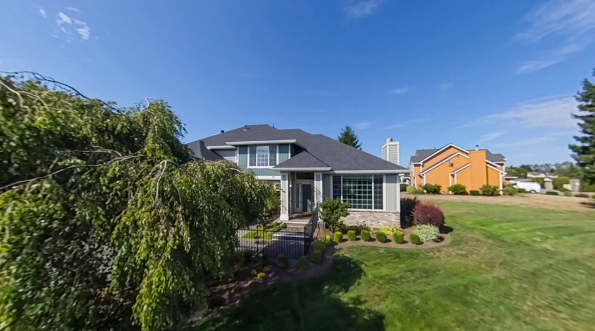
Trees are an important part of a residential landscape because they can provide shade, visual interest, privacy, and a more established appearance. Mature trees can also contribute to the perceived and actual value of a property, making their care an important consideration for homeowners who want to maintain their outdoor space over time. According to Better Homes & Gardens, properties with mature trees in the yard may see a home value increase of 10% to 20%. That potential value makes tree maintenance worth considering as part of a broader approach to caring for the landscape.
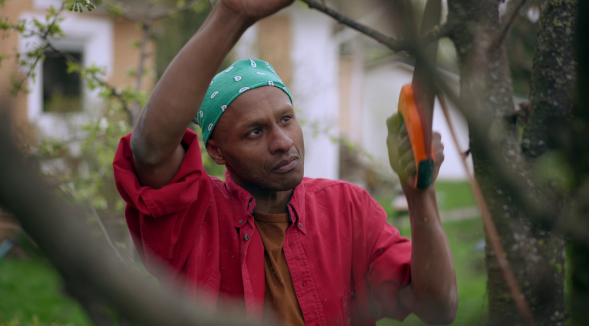
Keeping mature trees healthy requires more than simply leaving them in place and allowing them to grow. Dead branches, excessive growth, weak limbs, and other issues can affect the appearance and condition of a tree. Routine inspections and appropriate pruning can help homeowners identify problems before they become more difficult to manage, while proper care can help preserve the character that mature trees bring to a yard.
Trees can also influence how a lawn and property are used throughout the year. Shaded areas may provide comfortable places to spend time outdoors, while strategically positioned trees can help frame gardens, patios, walkways, and other landscape features. Paying attention to trees as part of regular yard maintenance can therefore help create an outdoor space that is both attractive and practical.
Lawn Care Is Already Part of Many Households’ Routines
Maintaining a lawn is not an unusual responsibility for homeowners. In fact, lawn and garden care are common household activities across the country. According to Work yard, 80% of U.S. households participate in some type of gardening or lawn care activity. That figure highlights how widespread outdoor maintenance is and why developing a consistent routine can make yard care more manageable.
A healthy lawn typically benefits from several forms of attention rather than one occasional task. Mowing at an appropriate height, monitoring moisture levels, removing debris, and addressing bare or damaged areas can all contribute to better grass coverage. Homeowners may also need to adjust their approach based on weather, soil conditions, grass type, and the amount of sunlight different areas of the yard receive.
Consistency can make a noticeable difference in how a lawn looks and performs. Waiting until grass becomes severely overgrown, thin, or discolored can make maintenance more difficult and may require more intensive corrective work. Instead, smaller tasks performed throughout the growing season can help homeowners stay ahead of common lawn problems while keeping the property looking cared for.
Fertilizing at the Right Time Can Support Growth
Fertilization is another consideration when developing a lawn maintenance routine. Grass requires nutrients to support healthy growth, but applying fertilizer too frequently or at the wrong time may not produce the desired results. Homeowners should consider their grass type, local growing conditions, soil characteristics, and the specific fertilizer being used before establishing a schedule.
Timing can be especially important during periods when grass is actively growing. According to Forbes, lawns should generally be fertilized every six to eight weeks during the prime growing season. Rather than treating fertilization as a one-time spring task, homeowners can use an appropriate schedule to provide nutrients throughout the period when their grass needs them most.
Fertilization should also be approached as one component of overall lawn care rather than a replacement for other maintenance. Grass still needs suitable mowing practices, adequate moisture, sunlight, and healthy soil to perform well. If a lawn continues to struggle despite regular fertilization, examining the underlying conditions can help determine whether compaction, drainage, pests, disease, or another issue may be affecting growth.
A lawn does not have to be perfect to make a property look cared for, but it does benefit from consistent attention. Simple maintenance practices can help homeowners preserve healthy grass, while proper tree care can protect valuable landscape features and contribute to the property’s overall appearance. Taking a proactive approach can also make outdoor maintenance more predictable instead of waiting for visible problems to become difficult to address.
Whether the goal is maintaining curb appeal, protecting mature trees, or keeping grass in good condition, lawn care is an ongoing process. A regular maintenance routine gives homeowners an opportunity to notice changes early and respond before minor issues become larger concerns. With the right attention throughout the growing season, a lawn can remain a functional and attractive part of the property.