A healthy lawn does not happen by accident. It usually reflects a pattern of steady care, good timing, and attention to the conditions that affect grass growth throughout the year. Homeowners who want strong color, even coverage, and fewer problem areas need to think beyond occasional mowing and focus on the full picture of lawn health.
That full picture includes watering, mowing, soil support, weed control, and the condition of nearby trees and plants. When one part of the yard is neglected, it often affects the rest of the landscape as well. A practical lawn care routine can help prevent thinning grass, bare patches, and stress that becomes more difficult to correct later.
Mow At The Right Frequency
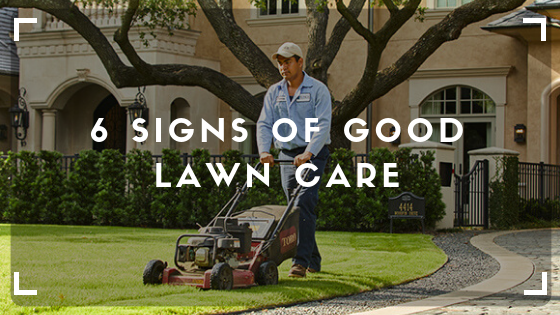
Mowing is one of the most basic parts of lawn care, but it has a major effect on long-term health. Cutting grass too short can weaken the root system, while letting it grow too long before mowing can make the lawn look uneven and put extra stress on the turf. A consistent mowing schedule helps maintain balance and encourages steadier growth.
Timing matters just as much as technique. According to Home Advisor, lawns should generally be mowed about once a week during the peak growing season, which is one reason many lawn care specialists offer weekly service plans. That guideline helps explain why regular mowing is so important when grass is growing quickly and needs consistent upkeep to stay healthy.
Water Deeply Instead Of Lightly
Watering habits can either strengthen a lawn or create ongoing problems. Light, frequent watering tends to keep moisture near the surface, which can encourage shallow roots and make grass more vulnerable during hot or dry periods. Deeper watering, done at the right intervals, supports stronger root development and better resilience.
It is also important to water with the weather in mind rather than following the same pattern every week. Rainfall, heat, and soil type all affect how much water the lawn actually needs. Paying attention to those conditions can help prevent overwatering, wasted resources, and the kind of soggy soil that encourages disease.
Improve Soil And Feed The Grass Properly
Healthy grass begins below the surface. If the soil is compacted, unbalanced, or low in nutrients, the lawn may struggle no matter how often it is watered or mowed. Aeration, fertilization, and occasional soil testing can help create better growing conditions and make it easier for the grass to stay thick and green.
Feeding the lawn properly also means using the right product at the right time. Too much fertilizer can cause stress or uneven growth, while too little may leave the lawn weak and unable to compete with weeds. A thoughtful approach to soil care gives the grass a better foundation and supports more consistent performance through the seasons.
Control Weeds Before They Spread
Weeds compete with grass for sunlight, water, and nutrients, which is why early control matters. A few isolated weeds may seem minor at first, but they can spread quickly and crowd out healthy turf if they are ignored. Spot treatment, proper mowing height, and a stronger lawn overall can all help reduce weed pressure naturally.
The goal should not be to react only when the lawn already looks overrun. Preventive care is usually more effective than trying to reverse a larger problem after it has taken hold. When the grass is dense and healthy, it becomes much harder for weeds to establish themselves in the first place.
Pay Attention To Trees And Shade
Trees can add beauty and comfort to a yard, but they also affect how well a lawn grows. Heavy shade, root competition, and falling debris can all make it harder for grass to stay healthy in certain parts of the property. Pruning and tree maintenance may be necessary to give the lawn better access to sunlight and reduce excess stress.
That need for tree care is reflected in the size of the industry itself. According to IBISWorld, there were 143,671 Tree Trimming Services businesses in the United States in 2024. That number shows how common tree maintenance has become, and it also highlights how closely lawn health is often tied to the condition and management of surrounding trees.
Know When Professional Support Helps
Some lawns can be maintained with a simple do-it-yourself routine, but others benefit from professional attention. Persistent drainage problems, recurring weeds, poor soil conditions, or large properties may require more time and expertise than a homeowner can easily provide alone. In those cases, professional service can help protect the lawn from ongoing decline.
There is a broad workforce dedicated to this kind of care. According to the National Association of Landscape Professionals, the industry includes more than 1 million employees and 661,000 landscaping service businesses. That scale reflects how many property owners rely on experienced help to keep outdoor spaces healthy, attractive, and easier to manage over time.
Keeping a lawn healthy comes down to consistency, not shortcuts. When homeowners mow at the right intervals, water wisely, support the soil, manage weeds, and stay aware of tree-related challenges, they give their grass a much better chance to thrive. Over time, those steady habits can turn an average yard into a stronger, greener, and more enjoyable part of the property.