For decades, the prevailing narrative of the American Dream has been closely tied to the idea that bigger is always better. We have been conditioned to believe that success is measured by the number of bedrooms we have, the length of our hallways, and the vastness of our manicured lawns. Downsizing is not about deprivation; it is about optimization. When you reduce the physical footprint of your living environment, you simultaneously reduce the cognitive load of maintaining it. A smaller home requires less cleaning, fewer repairs, and lower utility costs, which frees up your most valuable resources for the things that truly matter, such as travel, hobbies, and relationships.
Reversing the Trend of Excess Space
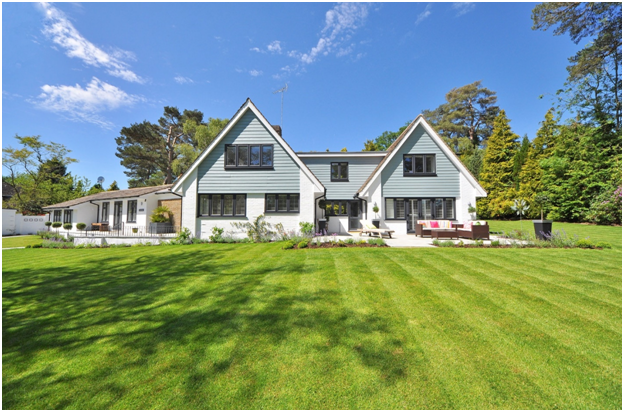
The modern housing landscape has seen a consistent push toward larger residential structures, even as family sizes have remained relatively stable or even decreased. To understand the current climate, one only needs to look at the growth of new constructions over the last decade and a half. According to the National Association of Home Builders (NAHB), the average size of a new single-family home in the U.S. increased from 2,400 square feet in 2009 to 2,600 square feet in 2024. This steady climb suggests that we are building more houses than many of us actually need to be happy.
When you choose to move against this trend by downsizing, you are effectively reclaiming your time. Every extra square foot represents more carpet to vacuum, more walls to paint, and more air to heat and cool. By opting for a smaller footprint, you can prioritize higher-quality materials and more central locations that might have been unaffordable in a larger home.
Lower Maintenance and Long-Term Durability
One of the most immediate benefits of a smaller home is the dramatic reduction in exterior maintenance. When you have less surface area exposed to the elements, the cost and frequency of renovations become much more manageable. Smaller homes often allow homeowners to invest in durable, high-quality materials that protect the structure for decades. For instance, choosing the right exterior finish is crucial for a low-maintenance lifestyle. According to This Old House, vinyl siding can have a lifespan of 20 to 40 years, depending on maintenance and care. Because a smaller home requires less material to cover, you can afford premium versions of these products that offer superior protection and aesthetic appeal.
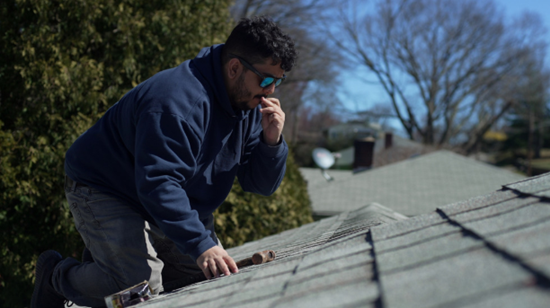
The longevity of these materials means you spend less time on ladders and more time enjoying your weekends. In a smaller home, a weekend project like power-washing the siding or touching up trim becomes a quick chore rather than a multi-day ordeal. This ease of maintenance ensures that your home stays in peak condition with minimal effort, preserving its value while reducing your personal stress. When the physical components of your home are built to last and sized appropriately for your needs, you can rest easy knowing that your sanctuary is robust and sustainable.
Embracing Sustainable and Efficient Technology
Smaller spaces are inherently more eco-friendly because they require significantly less energy to maintain a comfortable temperature. Homeowners are increasingly looking for ways to lower their carbon footprint while reducing their monthly utility bills. According to Environment America, Americans are buying 37% more heat pumps than gas furnaces, signaling a major move toward electrified, high-efficiency heating and cooling.
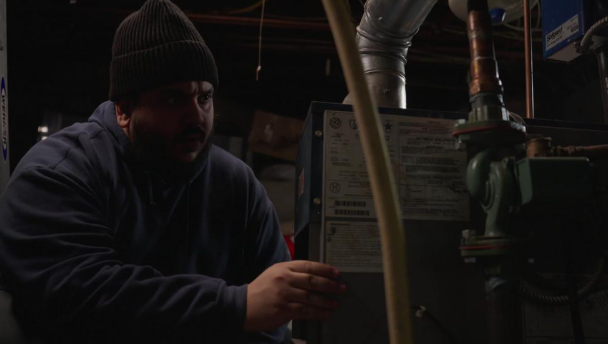
A smaller home is the perfect candidate for these high-tech systems, as a single unit can often maintain the entire living space with incredible precision. Heat pumps work by transferring heat rather than generating it, which is far more efficient than the old furnace models found in larger, older houses.
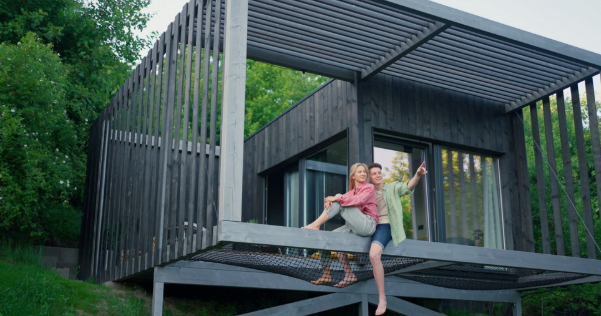
The goal of a home should be to support the life you want to lead, not to be the primary obstacle to it. When you trade in excess space for intentionality, you find that you have more room for experiences, more energy for your passions, and a clearer path to your long-term goals. Whether you are looking to save the planet, save your budget, or simply save your sanity, living small is a big step toward a better future. By embracing a more compact way of life, you are choosing to prioritize your happiness over your square footage.