Choosing the right flooring material is crucial in defining the style, comfort, and functionality of a home. The choices are varied, ranging from the timeless elegance of wood to the versatility and durability of tiles. Each material not only boasts unique aesthetic qualities but also reflects contemporary trends in home design.
The Historical Significance of Tile
Tile flooring has been a steadfast choice in home design, echoing its roots that trace back nearly 4000 years. It was used in ancient civilizations due to its durability and aesthetic appeal, and today, it continues to offer a wide array of design choices. Innovations in manufacturing technology have further expanded its viability across various climates, making it a favorite in many homes worldwide.
With its ability to withstand heavy foot traffic and resist moisture, tile remains a practical choice for kitchens, bathrooms, and halls. Its considerable lifespan means that once installed, it rarely needs replacing, adding to its economic viability. Homeowners appreciate the low-maintenance aspect of tile floors, which require just regular cleaning to maintain their pristine appearance.
This enduring material has evolved with time, adopting contemporary designs that fit modern tastes. Incorporating styles that range from natural stone looks to brightly colored patterns, homeowners can select tiles that complement their personal style. The integration of different shapes and sizes also allows for creative installations, giving spaces within the home a distinctive look.
The Enduring Charm of Wood Floors
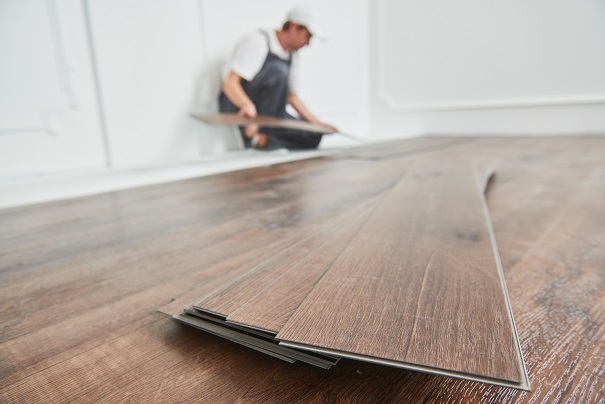
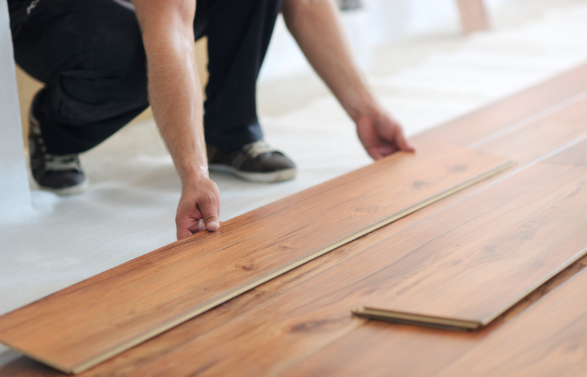
Wood flooring has long been revered for adding warmth and elegance to any home interior. It provides a versatile base that complements both traditional and modern aesthetics, making it a popular choice for many homeowners. The rich textures and grains of wood contribute to its luxurious feel that is hard to replicate with other materials.
In 2024, the U.S. wood flooring market is projected to reach $6.33 billion, highlighting its ongoing demand. This surge is attributed to the material’s timeless appeal and its ability to age gracefully, acquiring character over time. Unlike synthetic materials, wood can be sanded and refinished multiple times, extending its lifespan significantly.
Many homeowners are also drawn to wood for its environmental credentials. Sourcing wood from responsibly managed forests ensures sustainability and promotes eco-friendly home building practices. The choice of wood types, from hardwoods like oak to exotic species, allows for personalized design while lending an earthy touch to spaces within the home.
Carpeting: Comfort and Color
Carpeting remains a popular choice for homeowners seeking to add comfort and color to their interiors. It serves as a luxurious backdrop that softens a room, providing warmth underfoot that hard flooring materials cannot match. The extensive range of textures, patterns, and colors available allows for creative expression within home design.
Valued at $72.39 billion in 2023, the global carpet market illustrates its widespread recognition and widespread usage in homes worldwide. This popularity stems not only from its comfort but also from advancements in carpet production that enhance its durability and resistance to stains and wear. Such innovations have made modern carpet a versatile and resilient option.
One of the key benefits of carpet is its acoustic advantage over hard flooring types, dampening sound and providing a quieter home environment. Additionally, carpet improves indoor air quality by trapping dust and allergens, which can easily be removed through regular cleaning. This feature is particularly important in homes where family and comfort are key priorities.
In exploring the vast landscape of flooring materials, it becomes evident that each option provides distinct characteristics that cater to the varied preferences and needs of homeowners. Whether prioritizing the historical significance of tiles, the classic appeal of wood, or the cozy comfort of carpet, flooring remains an integral component of any home’s design narrative.