As energy prices continue to fluctuate and environmental concerns intensify, reducing energy costs has become an essential goal for many homeowners. By investing a little time and effort, you can not only decrease your energy expenses but also make your home more resource-efficient. Below, you’ll find some effective strategies to help you achieve these goals, utilizing research-backed tactics and practical advice.
Address Water Leaks to Save Money
Did you know that the water leaks in your home can significantly inflate your utility bills? The Environmental Protection Agency highlights that fixing easily rectifiable household water leaks can potentially cut around 10% off your water bills. Addressing such leaks not only conserves water but also reduces long-term expenses.
Begin by checking common trouble spots like faucets, toilets, and showerheads. You may find small leaks that are easily fixed with a bit of sealant or by replacing a washer. By safeguarding your home from these constant drips, you can efficiently manage water usage and reduce energy expenditures.
Professional help isn’t always necessary, as many leak issues can be resolved with DIY methods. A comprehensive inspection of your plumbing can reveal leaks that could be silently costing you every month. A proactive approach to fixing leaks can yield significant savings, making these efforts worthwhile.
Leverage Planting for Energy Efficiency
Strategically placed trees can offer more than just visual appeal to your home’s landscape. According to the Arbor Day Foundation, trees positioned around buildings might cut down air conditioning needs by up to 30%, potentially saving 20–50% in heating energy. This natural method of climate control is both environmentally friendly and cost-effective.
Consider planting deciduous trees on the south and west sides of your home to provide shade in the summer, while allowing sunlight to warm your home in the winter. This natural shield against extreme temperatures can reduce your dependence on HVAC systems. Explore native or low-water-use plants to align this strategy with sustainability goals.
Beyond energy savings, trees add value to your home, enhance curb appeal, and promote local biodiversity. By integrating trees into your energy efficiency strategy, you’re not only reducing utility bills but also elevating your home’s aesthetic and functional value. This greenery-based approach is a win-win for your wallet and the environment.
Enhance Your Home’s Efficiency with Windows
Your windows might be responsible for a significant portion of your home’s energy consumption. Energy5 reveals that windows are responsible for 25-30% of heating and cooling energy usage in households. Upgrading to energy-efficient windows can drastically cut these costs, offering a more appealing and comfortable home environment.
Consider double-glazed windows or those with a low-emissivity coating to improve insulation. These types of windows reduce energy transfer, keeping your home cooler in the summer and warmer in the winter without overworking your HVAC system. The investment in energy-efficient windows can pay for itself over time through lower utility bills.
These improvements make your home more attractive to potential buyers, a critical factor if you’re considering selling in the future. Modern, efficient windows can enhance both the monetary value and the comfortable ambiance of your home. Thus, upgrading windows is a savvy move for energy savings and home improvement.
By utilizing these strategies, you’re taking actionable steps toward making your home more energy-efficient and cost-effective. Minor adjustments and investments, like fixing leaks, planting strategic foliage, or upgrading windows, can significantly reduce your utility bills while benefiting the environment. Start implementing these smart tips today to experience both financial savings and enhanced home comfort.
More from Ghar360 Blog
 Prevent Bigger Problems by Addressing Small Pipe Leaks Today
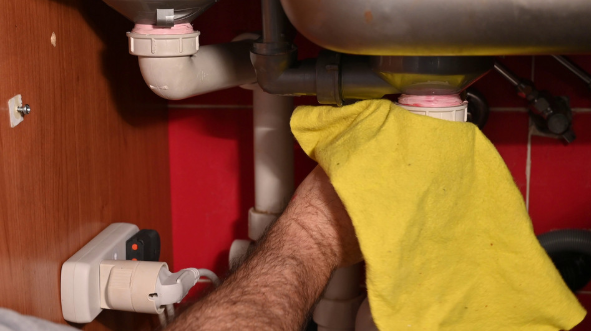 The Hidden Cost of Dripping Faucets: Is Your Leak Wasting More Than You Think?
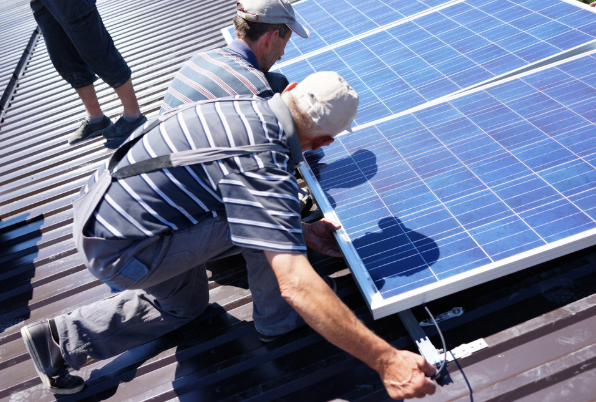 Trying to Make Your Home More Energy-Efficient? Here’s How to Get Started.
 Tips for Building an Environmentally Friendly House
 Why you must not ignore even minor water leaks?