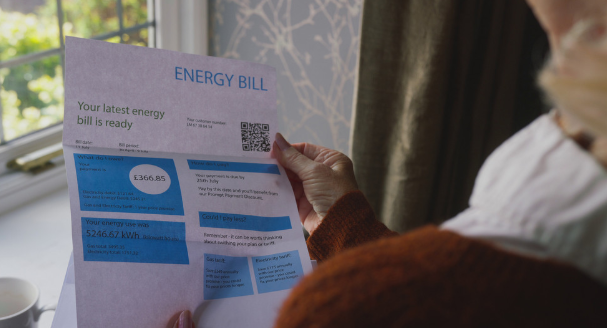
As energy costs continue to rise, making your home more energy-efficient has never been more important. Whether you’re motivated by environmental concerns or simply desire to reduce utility bills, starting with small changes can have a significant impact. This guide will walk you through crucial steps to enhance your home’s energy efficiency.
Efficient Water Heating Solutions
Water heating is one of the largest energy expenses in your home, responsible for about 20% of the total energy consumption, as noted by Jobber. Reducing the energy used for water heating doesn’t just lower your bills; it also conserves vital resources. Start by insulating your water heater and consider upgrading to a more efficient model, such as a tankless or solar water heater.
If you’re not quite ready to replace your water heater, there are other measures you can take today. Lowering the thermostat on your water heater to 120 degrees Fahrenheit can result in substantial savings. Additionally, regularly maintaining and checking for leaks in your system ensures you aren’t wasting energy or water.
An energy-efficient home is also about adopting habits that conserve resources. For instance, taking shorter showers and using cold water for laundry can significantly reduce water heating demands. By understanding and addressing the energy use for water heating, you’re taking a big step forward in making your home greener and your bills lower.
Solar Power: A Smart Investment
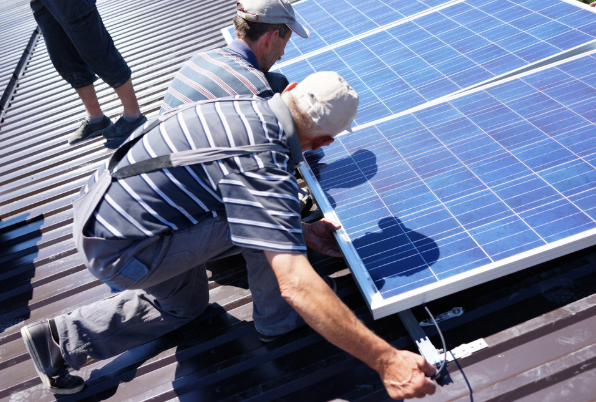
Solar energy provides a sustainable way to lower your home’s energy consumption while relying on renewable resources. As noted by Energy Sage, a significant benefit of switching to solar power is that homeowners can almost recover a third of their installation costs through federal tax credits. This financial incentive makes installing solar panels a feasible and economically sound decision for many homeowners.
Beyond financial incentives, solar power offers long-term reductions in your electricity bills. By generating your own renewable energy, you not only reduce your reliance on the grid but also enhance your home’s valuation. Many homeowners notice substantial savings over time, making solar power a prudent investment in their home’s future.
Additionally, transitioning to solar power is a step towards sustainable living and reducing your carbon footprint. It’s an investment that pays back over time while contributing to a healthier environment. Embracing solar energy depends on initial investment, location, and energy requirements, but the benefits are undeniably convincing for improving home efficiency.
Optimizing Air Conditioning Usage
Air conditioning represents a significant portion of a household’s energy usage, taking up 12% of the annual energy expenditure on average, according to OneDesk. Managing air conditioning can lead to considerable savings and increased energy efficiency. Make sure your systems are regularly maintained and consider investing in a programmable thermostat.
By scheduling your air conditioning to run less when you’re not home, you can reduce energy waste substantially. Installing ceiling fans and ensuring your home is well-insulated can also lessen your reliance on air conditioning. Strategically using shades and blinds to minimize heat gain reduces the workload on your air conditioning systems.
These small changes can add up, optimizing your air conditioning use to support a more energy-efficient home. Include regular professional maintenance checks to ensure your system is running at its best. By rethinking how you cool your home, you can effectively reduce energy consumption and costs.
Improving your home’s energy efficiency is a significant step toward sustainable living and cost savings. From enhancing your water heating systems and investing in solar energy to optimizing air conditioning usage, small adjustments can lead to substantial benefits. Start implementing these strategies today and contribute to a more environmentally friendly future while enjoying the economic benefits of lower energy bills.